
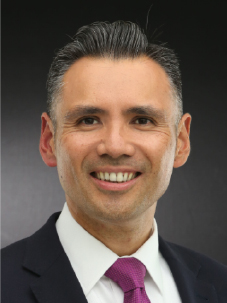
 December 17, 2025 — Port of Long Beach incoming CEO Dr. Noel Hacegaba testified before a congressional subcommittee on Wednesday to outline key priorities in the reauthorization of the Water Resources Development Act, noting federal investments in seaport infrastructure projects spur economic growth and jobs across the United States.
Hacegaba also highlighted how the Po rt of Long Beach plays a vital role in goods movement and national security during a WRDA stakeholder hearing held by the House Committee on Transportation and Infrastructure’s Water Resources and Environment Subcommittee. The WRDA is a water infrastructure bill that authorizes studies and projects aimed at improving harbors, rivers, flood control and other related policies under the U.S. Army Corps of Engineers.
“The policies in the WRDA have allowed the Port of Long Beach and other seaports across the country to move cargo more efficiently and compete in the global supply chain,” Hacegaba said. “This legislation is essential to our country’s economy and national security.”
“Reauthorizing the WRDA will not only strengthen Long Beach’s position as the premier gateway for trans-Pacific trade, it will also make all of our nation’s ports more competitive on a global scale,” Long Beach Harbor Commission President Frank Colonna said of Hacegaba’s testimony. “We appreciate the ongoing support to advance crucial upgrades that will enhance the sustainability and efficiency of U.S. ports, and solidify their role in international trade.”
During his testimony, Hacegaba also spoke in support of priorities shared by maritime trade associations, including the Coalition for America’s Gateways and Trade Corridors, the American Association of Port Authorities and the California Association of Port Authorities, where he serves as president.
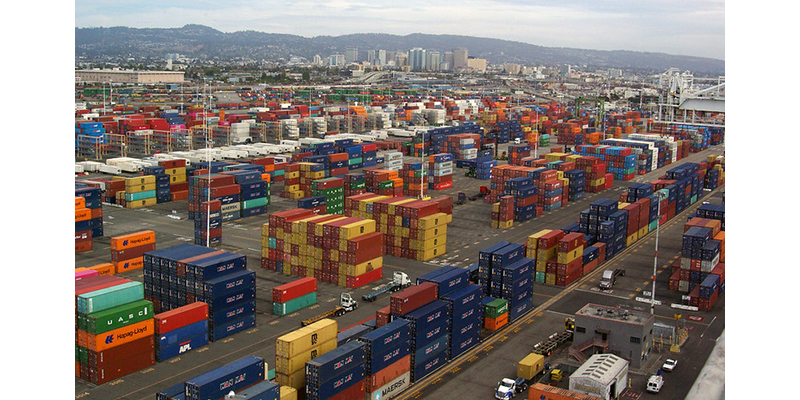
The 2022 WRDA reauthorization permitted preconstruction engineering and design for a Channel Deepening Project at the Port of Long Beach to provide deeper, wider channels and allow the largest liquid bulk cargo and container ships to more easily access the harbor, speeding goods movement and improving the environment. Dredging is projected to start in 2028 on the project, which also deepens the Long Beach Approach Channel from 76 to 80 feet.
“The Port of Long Beach remains committed to supporting a more competitive, future-ready maritime industry,” Hacegaba said. “Ensuring that waterside access and landside capacity grow together is vital to the country’s economic prosperity.”
The Port of Long Beach supports a fair distribution of the Harbor Maintenance Trust Fund, which is collected by the federal government from ports based on the value of imports, some domestic cargo and on cruise passengers. Funding helps support dredging projects nationwide, and would help the Port of Long Beach complete critical safety and efficiency improvements.
Although the bulk of the Port’s $3.2 billion capital improvement plan over the next 10 years is designated for rail projects, there are specific needs for the maintenance and repair of existing rock dikes, concrete and steel bulkheads, wharves and other marine structures totaling nearly half a billion dollars. Many of these projects would be eligible for funding from the Harbor Maintenance Trust Fund.
The chair of the House Committee on Transportation and Infrastructure is Rep. Sam Graves, and the ranking member is Rep. Rick Larsen. The chair of the Water Resources and Environment Subcommittee is Rep. Mike Collins, and the ranking member is Rep. Frederica Wilson.