October 20, 2026 — For ports across the Pacific, maintaining aging waterfront infrastructure while meeting operational demands and managing competing capital priorities requires a clear understanding of asset condition. Yet some of the most critical structural components lie beneath the waterline, where deterioration can remain hidden until it becomes a safety concern or a costly repair challenge.
Marine Solutions Inc. has spent two decades helping infrastructure owners address these challenges by bringing engineering, marine construction and commercial diving expertise together. Founded in 2006, the employee-owned firm has grown to more than 150 professionals across 11 offices, serving public and private clients throughout the United States and internationally.
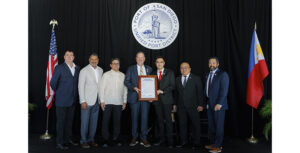
Now a new Associate Member of the Association of Pacific Ports (APP), Marine Solutions is looking to build on its longstanding experience in the Pacific region and strengthen relationships with ports and the engineering and construction firms that support them.
“We help ports understand what is happening beneath their facilities, recognize which conditions matter most, and choose practical steps to protect those assets,” said Sean Chapman, Senior Vice President of Marine Solutions Inc. “Our goal is to give owners the information and engineering insight they need to make informed decisions about their infrastructure.”
Combining expertise above and below the waterline
Marine Solutions was founded on a straightforward idea: bring together disciplines that are often treated separately to solve the specialized challenges of marine infrastructure. That multidisciplinary approach remains central to the company’s operations today.
Its team includes professional engineers, engineer-divers, commercial divers, construction professionals and technical specialists who work collaboratively to inspect, assess, design, build and repair marine structures. Services include waterfront inspections, condition assessments, marine structural engineering, repair and rehabilitation design, and support for asset management and maintenance programs.
The company’s experience spans commercial ports and terminals, military waterfront facilities, bridges, and water and energy infrastructure. By integrating field investigation with engineering analysis and construction knowledge, Marine Solutions can help owners move from identifying a deficiency to determining the most effective way to address it.
The company’s Pacific connections date back to its early years, when it began supporting U.S. Navy waterfront facilities throughout the region. That work provided experience in complex marine environments and an understanding of the operational and logistical challenges involved in maintaining critical waterfront assets.
As Marine Solutions expands its relationships with commercial and public ports, it is applying that experience to a broader range of infrastructure needs.
“Every facility has its own operating requirements, environmental conditions and constraints,” Chapman said, adding that “our multidisciplinary approach allows us to work with owners and their project teams to identify the issues that matter, develop practical recommendations and help move those recommendations toward implementation.”
From inspection to informed decisions
A waterfront inspection is only the beginning of the process. For port owners, the real value lies in understanding what inspection findings mean, how deficiencies may affect operations and safety, and which investments will provide the greatest long-term benefit.
Marine structures present challenges because critical components may be submerged, concealed or difficult to access. Deterioration can progress out of sight, making it difficult to determine its extent or whether immediate intervention is necessary.
Marine Solutions combines commercial diving capabilities and engineer-diver expertise with appropriate imaging, testing and investigative methods to assess these structures. Its engineers evaluate the findings, consider the causes and significance of deterioration, and develop recommendations tailored to the asset and its operating environment.
The objective is to help owners distinguish urgent deficiencies from conditions that can be monitored or addressed through planned maintenance. This supports more informed decisions about whether to repair, rehabilitate, strengthen or replace infrastructure.
“The value comes from connecting field findings to decisions,” Chapman said. “It’s not enough to identify a deficiency. Owners need to understand its significance, how it may affect safety and operations, and what their options are for addressing it.”
This connection between inspection and implementation is particularly important as ports balance maintenance requirements against limited budgets and competing capital projects. A clear understanding of asset condition helps owners prioritize spending according to risk, operational importance and expected service life.
By combining inspection, engineering and construction knowledge, Marine Solutions also helps shorten the path between identifying a problem and defining an effective repair. Working alongside port staff and their existing engineering teams, the company develops practical recommendations that can inform project planning, design and delivery.
Meeting the changing needs of ports
Across the maritime industry, port owners are under pressure to maintain reliable infrastructure while accommodating changing trade demands, operational requirements and resilience considerations. Some are also managing extensive asset portfolios with lean internal engineering and maintenance teams.
These pressures have increased the need for trusted technical partners who can provide reliable condition information, help prioritize risk and support decisions throughout an asset’s life cycle.
The company is seeing particular value in helping ports bridge the gap between inspection, asset management and repair. Rather than approaching each inspection or repair as an isolated project, the company considers how findings contribute to a broader maintenance strategy.
“Ports need clear answers about which deficiencies affect safety and operations, how deterioration is progressing, and where timely maintenance can prevent more costly intervention,” Chapman said.
For Pacific ports, these decisions can be complicated by demanding marine environments and the logistical challenges of working at remote facilities. Understanding existing conditions is essential to determining where maintenance will be sufficient, where rehabilitation is warranted and where more substantial investment may be required.
Marine Solutions responds by combining experienced field judgment with advances in inspection and repair practices and technologies. Its approach focuses on gathering the right information efficiently, resolving the questions most important to the owner and translating findings into practical action.
This can help ports identify priorities earlier, coordinate repairs with operational schedules and make better use of maintenance and capital budgets. It can also support a shift from reactive maintenance toward a longer-term, risk-based approach to infrastructure management.
“Understanding the condition of an asset is the starting point,” Chapman said. “From there, we want to help owners develop a clearer picture of what needs to happen next, what can be planned for the future and where investment today can help avoid more significant problems down the road.”
Industry leadership and technical expertise
Marine Solutions’ capabilities are supported by a leadership team with extensive experience across engineering, diving, construction and waterfront inspection. Amy Wilkins, PE; Don Wilkins; Sean Chapman, PE; Jeremy Pope, PE; Brad Syler, PE, SE; Mandy Schindhelm, PE; and Jordan Furlan, PE each bring more than 20 years of marine industry experience.
Several members also contribute to professional organizations and industry guidance. Don Wilkins serves as President of the Association of Diving Contractors International (ADCI), while Chapman chairs the American Society of Civil Engineers’ (ASCE) Coasts, Oceans, Ports, and Rivers Institute Waterfront Inspection Committee. Chapman was also a primary author of ASCE’s MOP 130 Waterfront Inspection and Assessment Manual, which supports professional practice in waterfront inspection and assessment.
Mandy Schindhelm holds the ASCE’s Board Certified Port Engineer (D.PE) credential, while Jordan Furlan leads complex waterfront inspection and assessment projects throughout the Pacific region. These include Marine Oil Terminal Engineering and Maintenance Standards assessments and projects at major ports in California, Oregon, Washington and Alaska.
This involvement in industry organizations reflects the company’s commitment to advancing professional standards, sharing technical knowledge and supporting the development of the next generation of marine infrastructure specialists.
Building partnerships
Marine Solutions works directly with port owners and as a specialist partner to engineering consultants, program managers and construction firms. Its commercial diving resources, underwater and under-deck access capabilities, inspection expertise and engineering knowledge complement the work of broader project teams.
The company emphasizes close coordination with owners’ existing consultants and local partners, providing dependable findings and clear communication to support design, planning and project delivery. Its role can range from a single berth assessment to participation in a larger infrastructure program.
Looking ahead, Marine Solutions plans to expand its relationships with public and private ports and the firms serving them. The company expects continued demand for reliable condition assessments and practical repair planning as owners balance aging infrastructure, operational needs and competing investment priorities.
Over the longer term, it aims to help more owners connect inspection, engineering, repair planning and maintenance through effective, ongoing asset management programs. Improving how condition information is collected, interpreted and incorporated into future decisions will remain an important part of that effort.
The company will also continue investing in its people, safety practices and technologies while contributing to industry guidance and professional education.
For Chapman, joining APP provides an opportunity to exchange practical knowledge, develop lasting partnerships and contribute to improved infrastructure management throughout the Pacific port community.
“Whether we’re assessing a single berth or supporting a much larger infrastructure program, our commitment is the same: safety, technical quality and responsiveness,” he said. “We want to help port owners make decisions with confidence and get lasting value from the infrastructure their operations and communities depend on.”