
Ports today face increasing demands for modernization, sustainability, and operational efficiency. With these needs, engineering expertise has become more critical than ever. Joining the Association of Pacific Ports is P2S LP, a California and Washington-based engineering firm that has spent more than 35 years designing the infrastructure that keeps ports operating while preparing them for the next generation of maritime transportation.
Founded in 1991 in Long Beach, California, P2S has grown into a multidisciplinary engineering company of approximately 350 professionals with offices throughout the West Coast, including Long Beach, Irvine, San Diego, Seattle, and the San Francisco Bay Area. While the company serves a wide range of industries, its Ports and Harbors Practice has established P2S as a recognized leader in electrical infrastructure, terminal design, and the electrification of port operations.
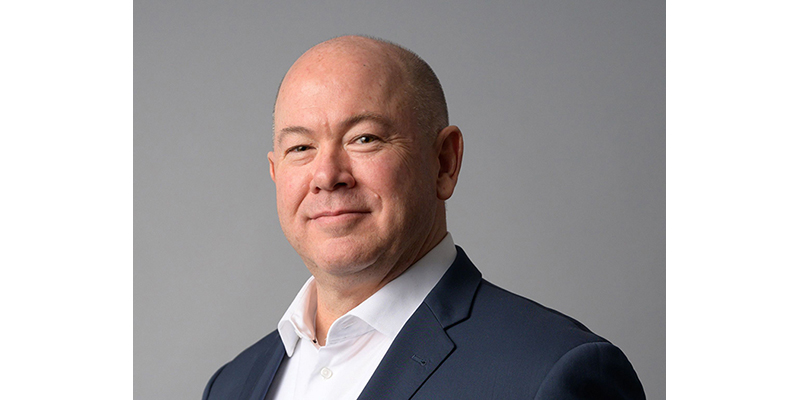
Leading that practice is Managing Principal Greg Alexander, whose career has mirrored the industry’s evolution toward cleaner technologies.
“My career has really progressed from emission reduction to emission elimination,” Alexander said. “Today, electrification is at the center of many of the projects we’re delivering.”
P2S describes itself as an MEPT engineering firm, providing mechanical, electrical, plumbing, and technology design services. In addition, the company offers commissioning services to ensure systems operate as intended and construction management services that help projects move efficiently from design to completion.
For ports, however, the firm’s greatest strength lies in its ability to deliver the electrical infrastructure that supports modern terminal operations. “We’re often known for the equipment everyone can see — the charging stations or shore power systems — but what we’re really designing is the infrastructure behind all of it,” Alexander said.
That infrastructure includes terminal power distribution, crane electrification, lighting systems, refrigerated container facilities, telecommunications, security systems, and increasingly, charging networks for battery-powered cargo-handling equipment and vessels.
Among P2S’s most notable accomplishments is its work at the Long Beach Container Terminal (LBCT), one of the most technologically advanced automated container terminals in North America. The firm served as the electrical engineer of record for the terminal and recently completed designs for approximately 100 additional charging stations as the facility continues its transition toward fully electric operations.
P2S is also involved in shore power projects in Seattle and Tacoma, crane power upgrades at the Port of Oakland, terminal modernization projects throughout Southern California, and ferry electrification initiatives serving communities along the West Coast.
While electrification receives much of the industry’s attention, Alexander emphasizes that reliable infrastructure remains the foundation of every successful port. “If the lights aren’t on, the cranes aren’t working, and the exit gates aren’t opening, then none of the rest matters,” he said.
One area generating particular excitement is the electrification of ferries and harbor craft. Unlike large cargo vessels that have the luxury on long stretches of dock time for recharging, ferries often have only a brief turnaround time to recharge before returning to service. Designing systems capable of delivering significant amounts of power within minutes presents new engineering challenges and opportunities.
The technology itself is rapidly evolving. Early generations of electric cargo-handling equipment would be challenged to keep up with demanding port operations, but Alexander believes manufacturers have made significant progress.
“The batteries are reaching the point where they can support the duty cycles required, and the vehicles themselves are holding up much better,” he said.
However, one of the biggest challenges facing ports today is not the technology but the electrical grid that supports it. Utilities across North America are experiencing unprecedented demand as transportation, buildings, and industry all pursue electrification. Combined with the rapid growth of data centers and artificial intelligence infrastructure, obtaining sufficient electrical capacity — and even procuring equipment such as transformers and switchgear — has become a significant planning consideration.
For P2S, helping clients navigate those complexities is part of its value proposition.
The company’s capabilities have also expanded through its integration into Legence, a family of companies focused on decarbonization and energy efficiency. The partnership provides P2S with colleagues and technical resources across the United States, allowing the firm to combine decades of West Coast port experience with local expertise in other regions.
For Alexander, that creates opportunities to share lessons learned from some of the nation’s most advanced port projects with facilities that are just beginning their own modernization journeys.
As the company enters a new chapter, it does so with a leadership team focused on building upon the vision established by founders Kevin and Kent Peterson, who retired in June after more than three decades guiding the firm’s growth. Their departure marks the end of an era for P2S, but also the beginning of a new phase of strategic expansion.
Today, the company is led by President Brad Lentz, a mechanical engineer whose career has been centered on innovative building and infrastructure solutions, Chief Operating Officer Travis Taylor, who oversees the firm’s operations and continued growth, and Chief Technology Officer Aravind Batra, who drives the company’s technological innovation and engineering excellence. Together, they are steering P2S toward greater integration of sustainable infrastructure, advanced technologies, and collaborative design practices while maintaining the client-focused culture established by its founders.
With experienced leadership, expanded national resources through its Legence partnership, and a growing portfolio of complex port projects, P2S is positioning itself to be a long-term engineering partner for ports throughout the Pacific region and beyond. Whether designing electrical systems for automated terminals, developing charging infrastructure for zero-emission equipment, or ensuring that essential port operations continue uninterrupted, P2S is helping build the infrastructure that will support the ports of tomorrow.
As a new member of the Association of Pacific Ports, the company brings not only decades of engineering experience but also a commitment to collaborating with port authorities as they navigate one of the most significant periods of technological change in the industry’s history.
For more information about P2S, visit: P2S | Home | P2S or download (PDF) a full description of their projects and expertise.